Flowers
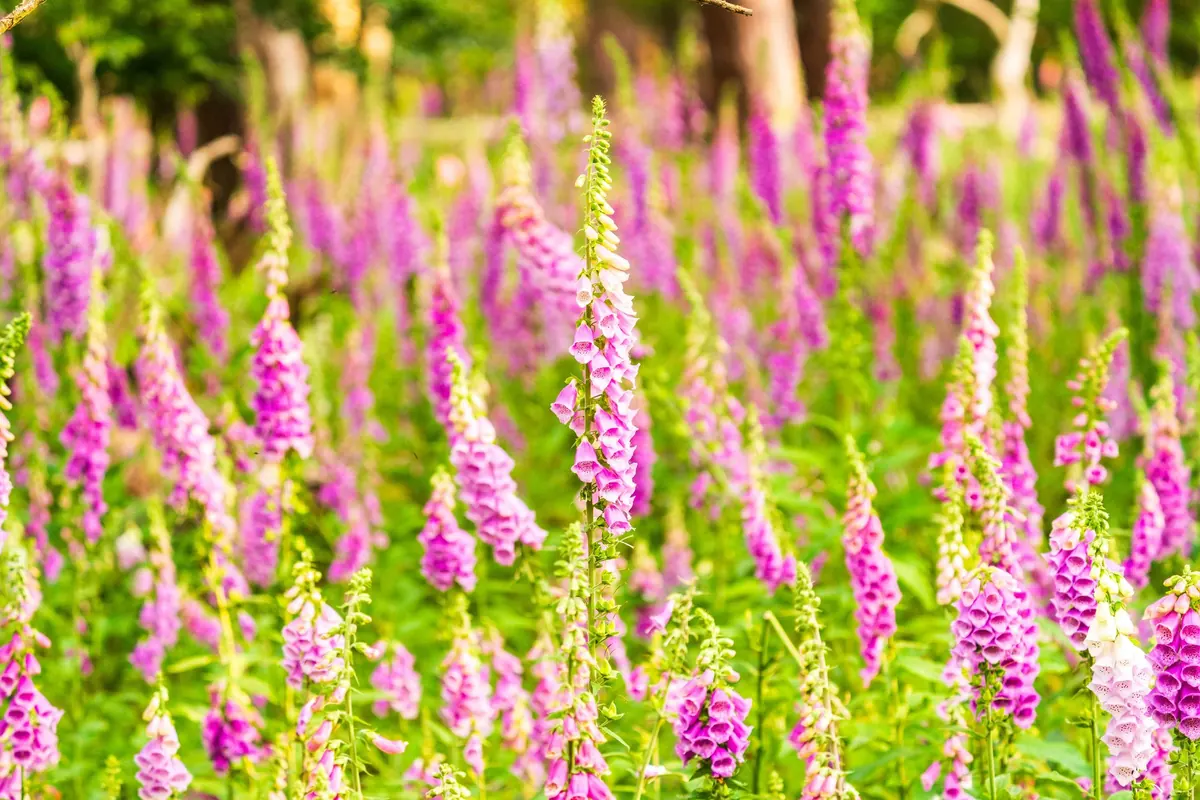
How to Grow Foxgloves from Seed: A Month-by-Month Guide
Foxgloves keep their own calendar. Sow them in May and you wait a full year for flowers. Sow them in July and you get sturdier plants and a better show the following June. That odd timing trips up more gardeners than any pest or disease does. Once you understand the plant's two-year rhythm — leafy rosette one year, towering flower spike the next — every sowing decision gets easier. What follows is a walk through the year, from cold stratification in winter to transplanting in late spring to the bloom you'll finally see a summer later.
Know the Foxglove Clock Before You Sow
Digitalis purpurea, the common foxglove, is a biennial. It germinates, builds a low rosette of fuzzy green leaves through summer and autumn, sits through winter, then sends up its flower spike in late spring of its second year. After setting seed, the plant dies. It usually leaves plenty of seedlings behind, so a patch can persist for years if you let a few spikes ripen where they stand.
The practical consequence is simple: if you want flowers next summer, sow this summer. Starting seed indoors in late winter can work, but plants from a March sowing often bloom later and shorter — and sometimes not until the following year anyway. In cold climates with short seasons, a June or July sowing gives the rosette a long, cool autumn to size up before frost arrives.
January and February: Cold Stratification, or Just Winter Sowing
Cold stratification — a spell of cold, moist conditions — breaks dormancy in many perennial seeds. Common foxglove germinates without it in most cases, but the treatment is harmless and tends to even out germination. For species like Digitalis grandiflora and Digitalis ferruginea, it genuinely helps.
Two methods work well:
- Fridge method: scatter seed on a damp — not dripping — paper towel or coffee filter, fold it, seal it in a labeled zip-top bag, and refrigerate for two to four weeks. Check weekly for mold, and sow immediately if any seeds sprout.
- Winter sowing: sow into a vented plastic container of moist potting mix and leave it outdoors in January or February. Rain, snow, and repeated freeze-thaw cycles do the work, and seeds germinate when conditions suit them in spring.
Either way, resist the urge to bury the seed. Foxglove seed is dust-fine, and it needs light to germinate.
March and April: Starting Seeds Indoors
Under lights or on a bright windowsill, the mechanics are straightforward and the most common mistake is covering the seed.
- Fill a clean tray or small pots with moist seed-starting mix. Tamp it level, but don't compress it hard.
- Scatter seed thinly across the surface. Tap it from a creased paper packet rather than pinching it between your fingers.
- Press the seed gently into the surface with your palm. Leave it uncovered. A dusting of vermiculite is acceptable, but no more than that.
- Water from below, setting the tray in a shallow pan until the surface darkens. Top watering washes seed into the corners.
- Keep the tray around 65–70°F in bright light. Germination typically begins in 14 to 21 days and comes up unevenly, so be patient with the stragglers.
- Prick out or thin seedlings once they have two true leaves, spacing them about two inches apart.
The One Thing Not to Do
Don't let the surface dry out before germination, and don't drown it either. A clear dome helps for the first week, but lift it as soon as seedlings appear. Damping off — that sudden collapse of tiny stems at soil level — thrives in still, soggy air.
May and June: Transplanting Out and the Summer Sowing Window
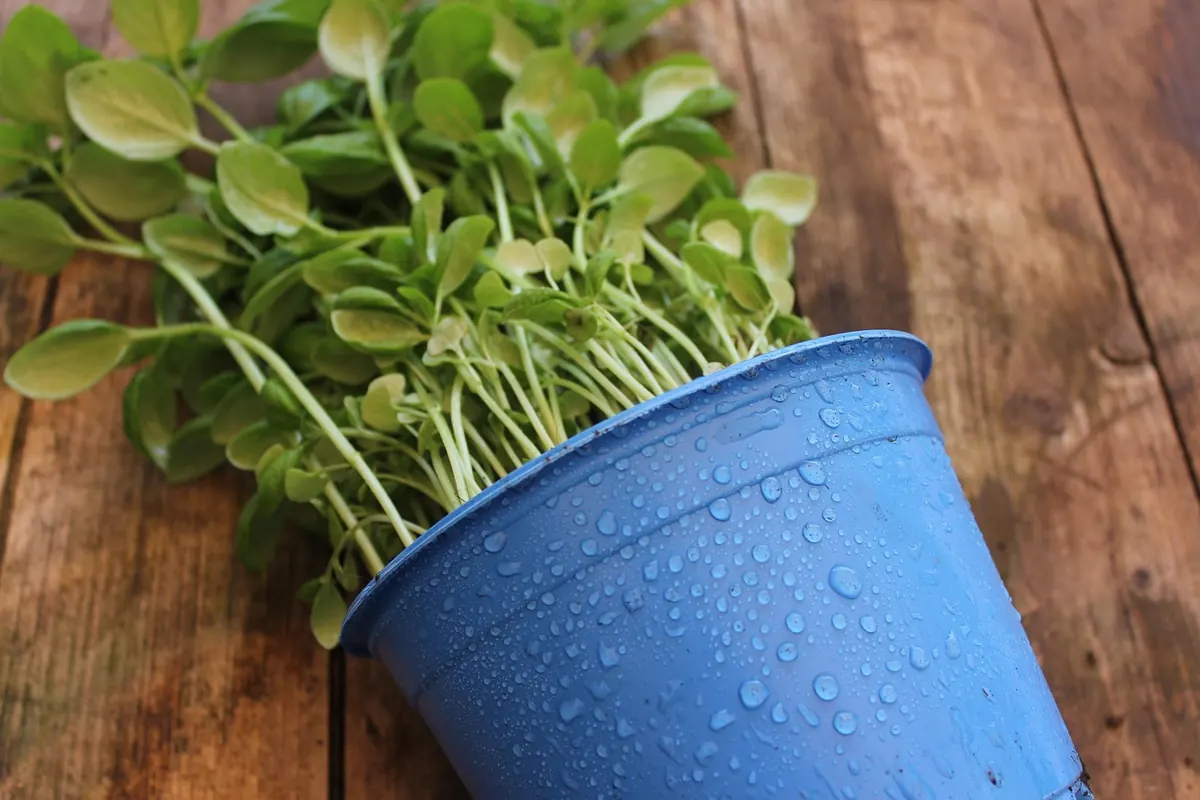
Harden transplants off over seven to ten days, starting with a couple of hours of sheltered outdoor time and building up. Move them into the garden once they have four to six true leaves, spacing them 12 to 18 inches apart. Foxgloves want humus-rich, well-drained soil and perform best in partial shade or a spot with morning sun and afternoon shade. In cool-summer regions, full sun is fine as long as the soil holds moisture.
Then comes the important window. From late June into July, sow fresh seed directly where you want flowers the following summer. Scatter thinly, keep the ground moist for the first few weeks, and thin seedlings to about a foot apart. Direct-sown plants build larger rosettes before winter than indoor-started ones, and that usually translates into earlier, taller spikes.
Plan for the Gap
Because the plant dies after blooming, it leaves an empty space behind. Set foxgloves among lower perennials that will close over the hole, or leave the dried spike standing for a while — it looks good in frost and feeds the seed bank.
July through November: Rosettes, Pests, and Overwintering
Young seedlings need consistent moisture, not constant soaking. Mulch lightly once they're established. Slugs and snails are the main threat at this stage; evening hunts with a flashlight, beer traps, or copper barriers around pots all help. Aphids can cluster on soft new growth, and powdery mildew shows up where plants are crowded and air is still.
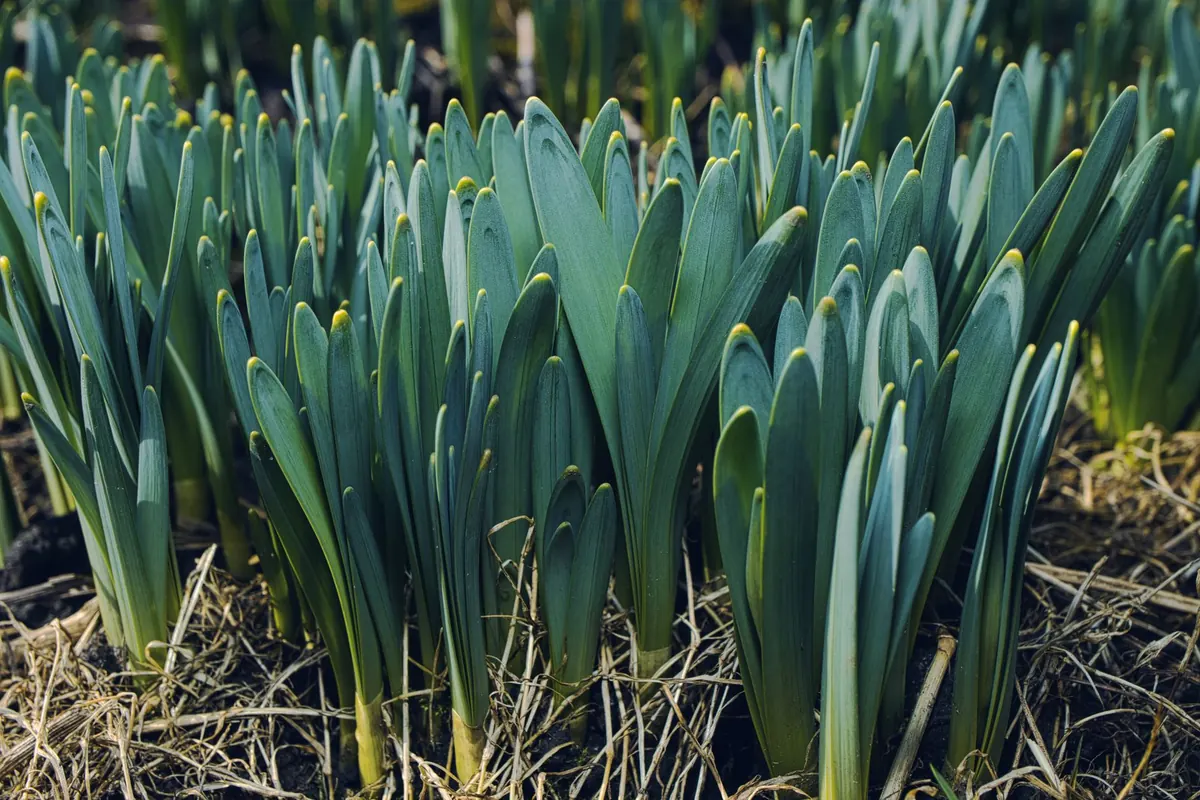
Go easy on nitrogen. Rich feeding produces floppy, leafy plants that flower poorly. A light top-dress of compost in early autumn is plenty. As for winter, the rosettes are hardy — common foxglove generally handles USDA zone 4 — and drainage matters more than cold. Plants in containers should move to a cold frame or unheated garage and be watered sparingly. Don't cut the foliage back in autumn; that evergreen rosette protects the crown.
Bloom Timing in Year Two
The spike rises in late spring and early summer, and flowers open from the bottom upward over several weeks, often continuing into midsummer. Cutting the spent main spike back to a set of side shoots can coax a smaller second flush. Deadhead if you don't want seedlings. If you do, let a few pods turn brown and rattle, then cut them and shake the seed into a paper bag.
Colors range from purple and pink to white, nearly always with speckled throats. Seed saved from hybrid strains won't come true to the parent, so if you want a specific color, expect variation. Seed strains such as the Excelsior group come reasonably true; named individual clones have to be propagated vegetatively.
Perennial species behave differently. Digitalis grandiflora and Digitalis lutea are smaller, clump-forming plants with yellow flowers that bloom in their first or second year and come back afterward. They benefit more from stratification than common foxglove does, and they suit the front of a border.
A Simple Calendar to Keep
- Late June–July: sow fresh seed outdoors where you want blooms next summer.
- September: thin to a foot apart, mulch lightly, water during dry spells.
- November: leave rosettes intact; move potted plants under cover.
- March: top-dress with compost and watch for slug damage on new growth.
- May–June: enjoy the spikes; stake tall ones in windy spots.
- July: cut back spent stems, or leave a few to self-sow.
The easiest way to keep foxgloves in the garden forever is to sow a little every year, so one patch is always in its flowering year while another is growing on. One caution worth repeating: every part of the plant is toxic if eaten, so wash your hands after handling seed and foliage and keep it out of reach of children and pets.
Photo: Masood Aslami / Pexels