Garden Care
Common Mistakes When Watering Outdoor Potted Plants
A container planting can look flawless on Saturday and half-dead by Wednesday, and the watering can is usually to blame. Pots behave nothing like garden beds. There is no deep reserve of soil to buffer a dry week, no earthworms loosening things up, and nowhere for surplus water to go except the saucer underneath. Water well and almost anything thrives in a pot; water by habit and you either drown the roots or leave them gasping. The good news is that most container watering disasters come from a handful of repeat offenders, and each one is easy to spot once you know what you are looking at.
Watering by the Calendar Instead of by the Soil
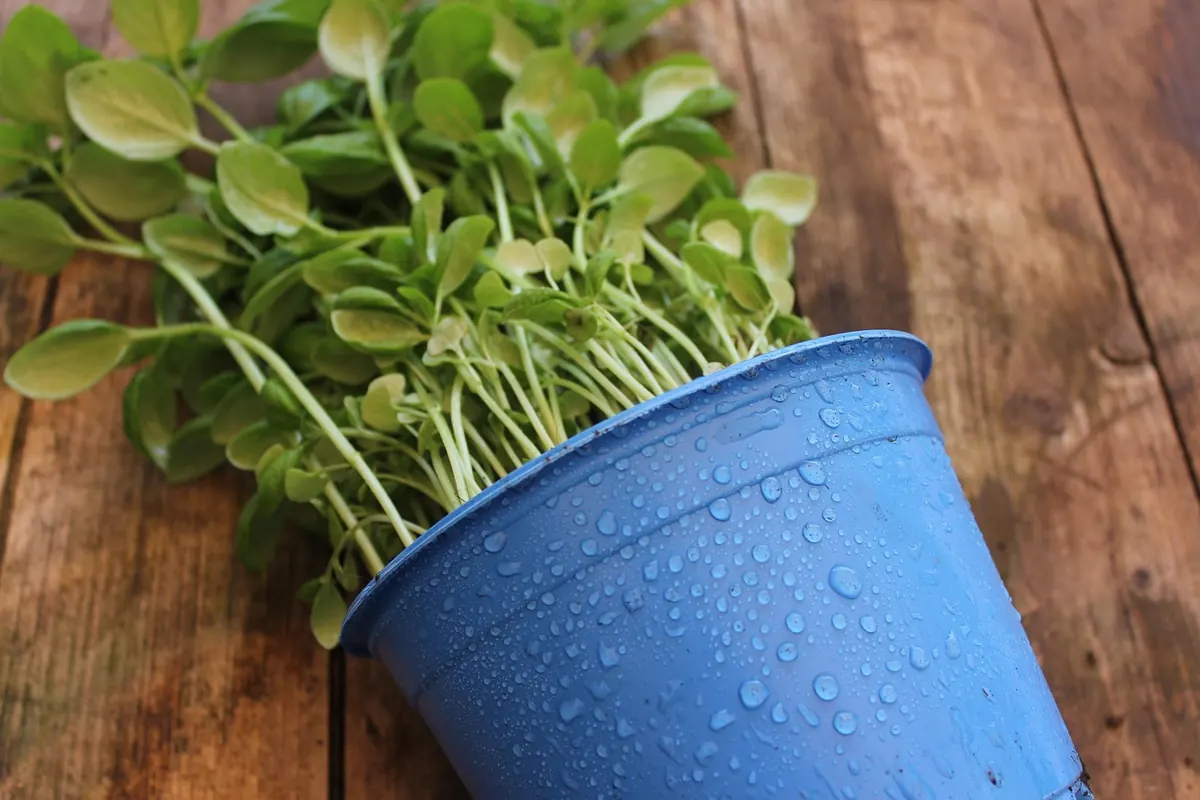
The most common mistake is not too much or too little water, but watering on autopilot. A 25cm plastic pot of basil in part shade and a 35cm terracotta pot of tomatoes in full sun can sit three feet apart and dry out at completely different speeds. One needs a drink every second day in July; the other might need it twice daily. A fixed Tuesday-and-Friday routine will keep one plant waterlogged and the other permanently thirsty.
Two checks beat any schedule. First, the finger test: push a finger two to three centimetres into the mix. If it feels cool and damp, wait. If it feels dry, water. Second, lift the pot. A dry container is startlingly light, and after a week of lifting you will know the difference by feel alone. Both checks take ten seconds and are far more reliable than a wall calendar.
Overwatering: The Slow, Quiet Killer
Roots need oxygen as much as they need moisture. When a mix stays saturated, the air pockets between particles fill with water, roots suffocate, and rot moves in. By the time the plant looks sick, the damage is usually well advanced.
Telling too much water from too little
- Too much: lower leaves turn yellow and limp, stems feel soft or turn dark at the base, the soil surface grows green algae or a fuzzy mould, fungus gnats hover around the pot, and the plant wilts even though the mix is wet.
- Too little: leaves go crisp and dull, edges brown, new growth is small and pale, the mix pulls away from the inside of the pot, and the whole container feels light as a biscuit tin.
If a plant is wilting in soggy soil, do not reach for the watering can. Move it out of the rain, tip any standing water out of the saucer, and let the top few centimetres dry before watering again. If the mix smells sour, repot into fresh, free-draining compost and trim away any roots that are black and mushy.
Drainage Problems You Cannot See at First
Most drainage failures start before a single drop is poured. Garden soil in a pot compacts into something closer to brick than compost, and a decorative outer pot with no holes turns a normal container into a swamp. Run through this checklist whenever a plant struggles:
- Does the pot have drainage holes, and are they clear of roots, stones and compacted mix?
- Is the pot standing in water inside a cachepot or a saucer that never gets emptied after rain?
- Is the base sitting flat on paving, sealing the holes like a plug?
- Is the potting mix light and open, or heavy and sticky when wet?
Pot feet, bricks or a couple of wooden battens under the base solve the flat-seal problem in seconds. Empty saucers after heavy rain, and if a pot has no holes and cannot be drilled, use it as a cachepot with the planted pot sitting inside on a layer of gravel.
Shallow Watering and Hidden Dry Pockets
A quick splash every day is the worst of both worlds: the top inch stays wet, encouraging shallow roots and algae, while the lower half of the pot stays bone dry. Water properly, letting it soak in until it runs freely from the drainage holes, then stop. If the mix has dried out so badly that water channels straight down the gap between soil and pot wall, dunk the whole container in a bucket of water until bubbles stop rising, then let it drain.
A centimetre of gravel, bark or compost on the surface slows evaporation, keeps the top layer cooler and cuts your watering in half during hot spells. Grouping pots together also helps; they shade each other and create a slightly more humid pocket of air around the foliage.
Adjusting for the Season, Not Just the Forecast
Watering needs swing dramatically through the year, and the same pot that needed a daily soak in July may need one drink a fortnight in January.
Spring and summer
Small pots in full sun can need water twice a day during a heatwave; water in the early morning so foliage dries before evening, and check again in late afternoon. A plant that wilts at midday and recovers by evening is simply hot, not thirsty. Watering then adds to the problem.
Autumn and winter
Growth slows, light drops and evaporation almost stops. Water only when the mix is genuinely dry, and never water a frozen or half-frozen pot, as the roots cannot take up water and the extra moisture can freeze around them. Cut back on feeding too. And do not assume rain does the job: a leafy plant sheds most of it, so check the soil under the canopy after a shower.
Pot Size, Material and Position Change Everything
Unglazed terracotta breathes and dries out fastest, which suits rosemary, lavender and other herbs that hate wet feet. Glazed ceramic, plastic and self-watering containers hold moisture much longer, so they need less frequent watering and more careful drainage. Dark pots in full sun can heat up enough to stress roots, while pale pots and light-coloured mulch keep things cooler. A plant moved from a shaded patio to a sunny wall can need twice the water overnight.
A Two-Minute Routine That Prevents Most Problems
- Lift each pot and feel the weight.
- Push a finger into the top few centimetres of mix.
- Water deeply only if it is dry, until it runs from the base.
- Empty the saucers afterwards.
- Check again after any heatwave, windy day or heavy rain.
Do this once or twice a week through the growing season and you will rarely lose a plant to water. Learn to read the pot instead of the clock, and container gardening becomes what it should be: generous, forgiving and full of scent, colour and something to pick for dinner.
Photo: congerdesign / Pixabay